← Back to Case Studies
International
Sugar Cane Harvesting Systems in East Africa
Work study and systems analysis for mechanised sugar cane harvesting and extraction across Mozambique, Malawi and Tanzania.
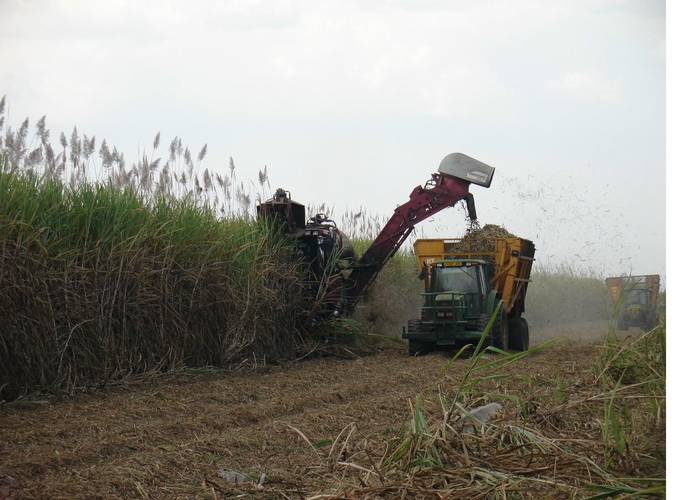
Work study and systems analysis for mechanised sugar cane harvesting and extraction across Mozambique, Malawi and Tanzania.
Mechanised sugar cane harvesting in East Africa presents operational challenges that differ from plantation timber harvesting in South Africa: variable terrain and soil conditions, high moisture content in harvested cane, diverse cane varieties, and operations that span multiple countries with differing infrastructure and labour availability. Improving system efficiency requires the same rigorous field measurement and analysis applied to any harvesting system.
Work study and systems analysis across mechanised sugar cane harvesting operations in Mozambique, Malawi and Tanzania. This involved assessing machine productivity under operational conditions, identifying constraints on system throughput, measuring cost per tonne of cane extracted, and providing recommendations to improve efficiency and reduce unit costs.
The methodology applied to sugar cane harvesting draws on the same fundamental principles used in plantation timber harvesting: direct field measurement of machine times and outputs, productivity modelling under varying conditions, and operational cost analysis structured around productive machine hour rates.
Studies were conducted across different site conditions, machine configurations and operational arrangements, allowing comparisons between systems and identification of the factors driving cost and productivity differences. Recommendations were grounded in observed field performance and the specific constraints of each operation.
Get in touch to discuss your operation and what a work study would cover.